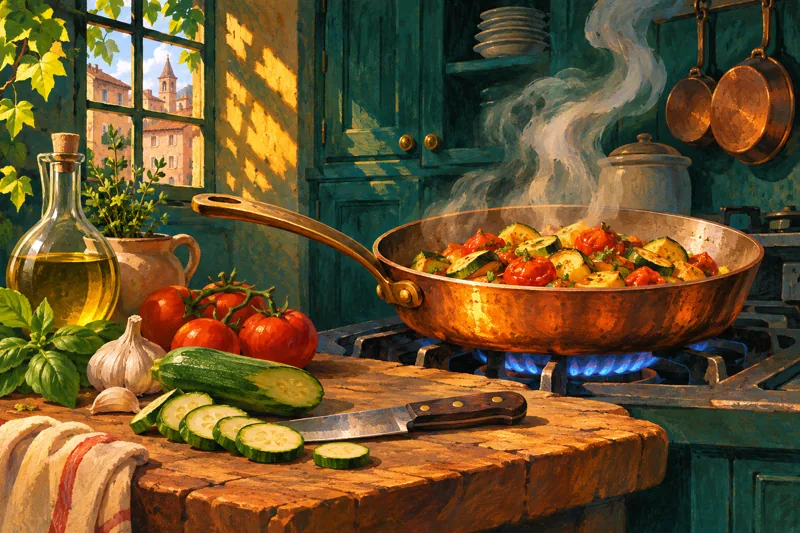
What changes when we give the learner a role?
In a Spanish crossword, “cheese” might be the clue for a five-letter answer. To fill the squares, a learner has to recall and spell queso. The same word appears on the kitchen game’s recipe card. A guest has said she cannot have dairy. The cook who recognizes queso has a decision to make about serving that dish.

Think of two children playing restaurant. A block can stand for a telephone, and the child who picks it up can take a reservation. Researchers Karen Stagnitti and Fiona Lewis followed 48 children from preschool into primary school. How the children used symbols in pretend play predicted how well they could later retell a story. Their finding concerns children’s narrative development. The question we took from classroom role-play was a practical one. Could someone studying Spanish at home also take on a role in which understanding another person matters? Stagnitti and Lewis’s study.
Reading a recipe for someone else
Here is one order from The Kitchen Adventure. The guest’s request gives the learner a reason to read beyond the title of the tomato salad.


The guacamole calls for avocado, tomato, onion and lemon. Having chosen a dish that suits the guest, the cook still has to prepare it. A learner who asks to put a chopped ingredient in the bowl can check the result against what they meant to say.


In later lessons, an instruction can leave a pan heating on the stove. The order in which the cook gives the next instructions now matters to the finished meal.
What makes a material authentic?
A restaurant menu written for customers is an authentic text in the sense used in language teaching. Its author needed to tell diners what they could order. Our guest’s request and recipe cards are written for learners. A teacher can put the two kinds of material to work together. Learners can use a menu to choose what they would ask a waiter before they can translate the whole board. ACTFL’s guidance on using authentic texts.

The board lists an ensalada mixta as a first course. Which ingredients go into it? The sign leaves that question open. What could you ask the waiter on behalf of the guest from the game?
Photograph by Marek Ślusarczyk, resized for this page. Original photograph · CC BY 3.0The original Swirly Spanish adventure drew on the same principle when it used Google Street View to take learners through San Sebastián. Directions referred to streets a visitor could actually walk. The new adventure takes place in an illustrated town. A map made for visitors gives a class another place to use the language of directions.